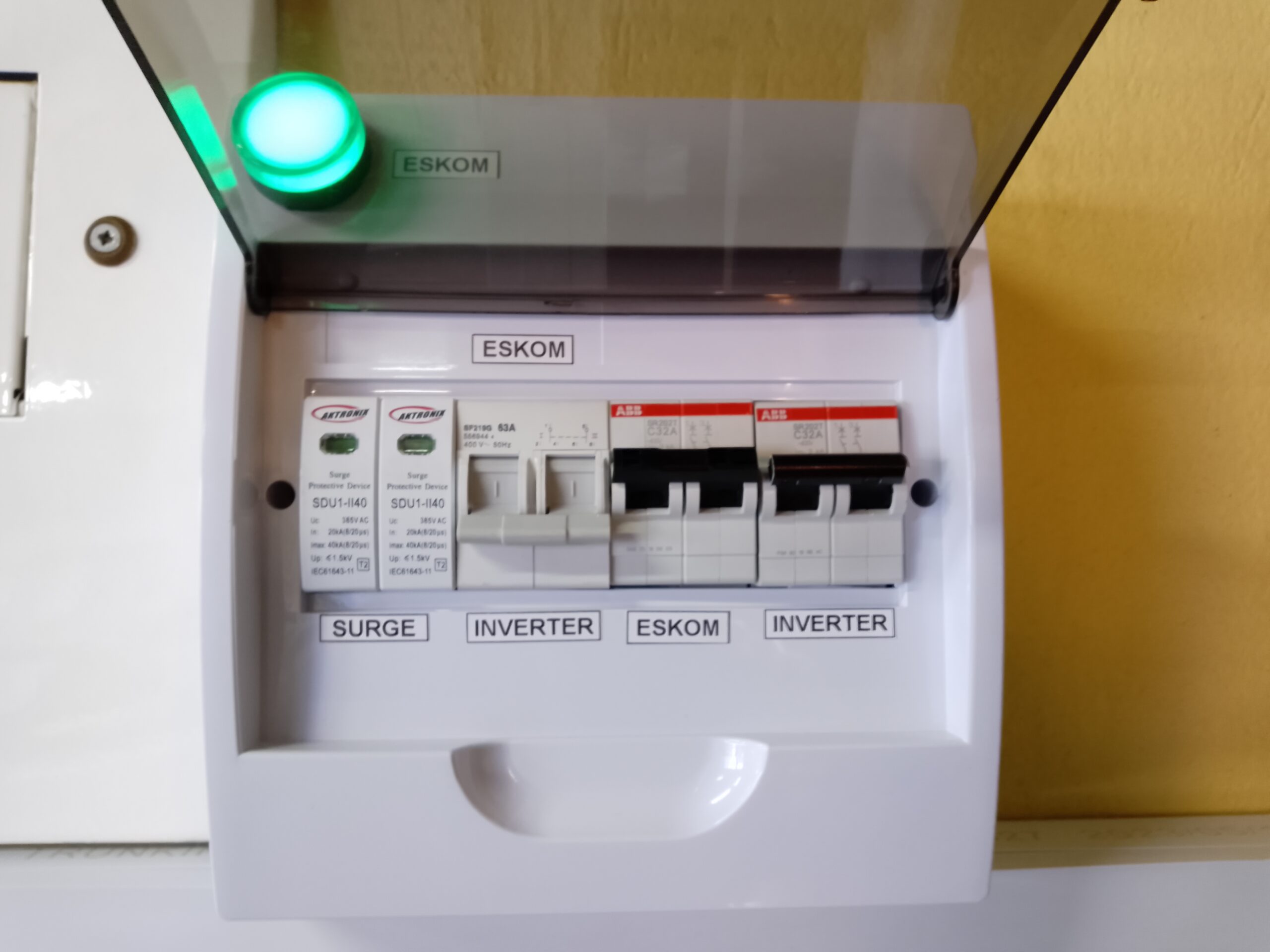
What is backup?
As the name implies, a backup provides you with a fall-back should the power grid go down. Unlike an old-school, environmentally harmful generator, a backup solution automatically operates during load shedding and other unexpected power outages.
Solar Battery Types
The two main types of batteries used in the world of solar power are lead-acid, lithium ion batteries.
Lead-Acid
Lead-acid batteries have been in use for decades and are one of the most common types of battery used in automotive and industrial applications. They have a low energy density (meaning they cannot hold much energy per kg of weight), but remain both cost-effective and reliable and thus have become a common choice for use in a home solar setup. Lead-acid batteries come in both flooded and sealed varieties and can be classified as either shallow cycle or deep cycle depending on the intended function and safe depth of discharge (DOD). Recent technological advancements have improved the lifespan of these batteries and lead-acid continues to be a viable option for many homeowners.
Lithium-Ion
The technology behind lithium-ion batteries is much newer than that of other battery types. Lithium-ion batteries have a high energy density and offer a smaller, lighter and more efficient option. They allow the user to access more of the energy stored within the battery before needing to be recharged, making them great for use in laptops and phones—and in your home. The major drawback of lithium-ion batteries is the significantly higher cost to the consumer. If improperly installed lithium-ion batteries also have the potential to catch fire due to an effect called thermal runaway.